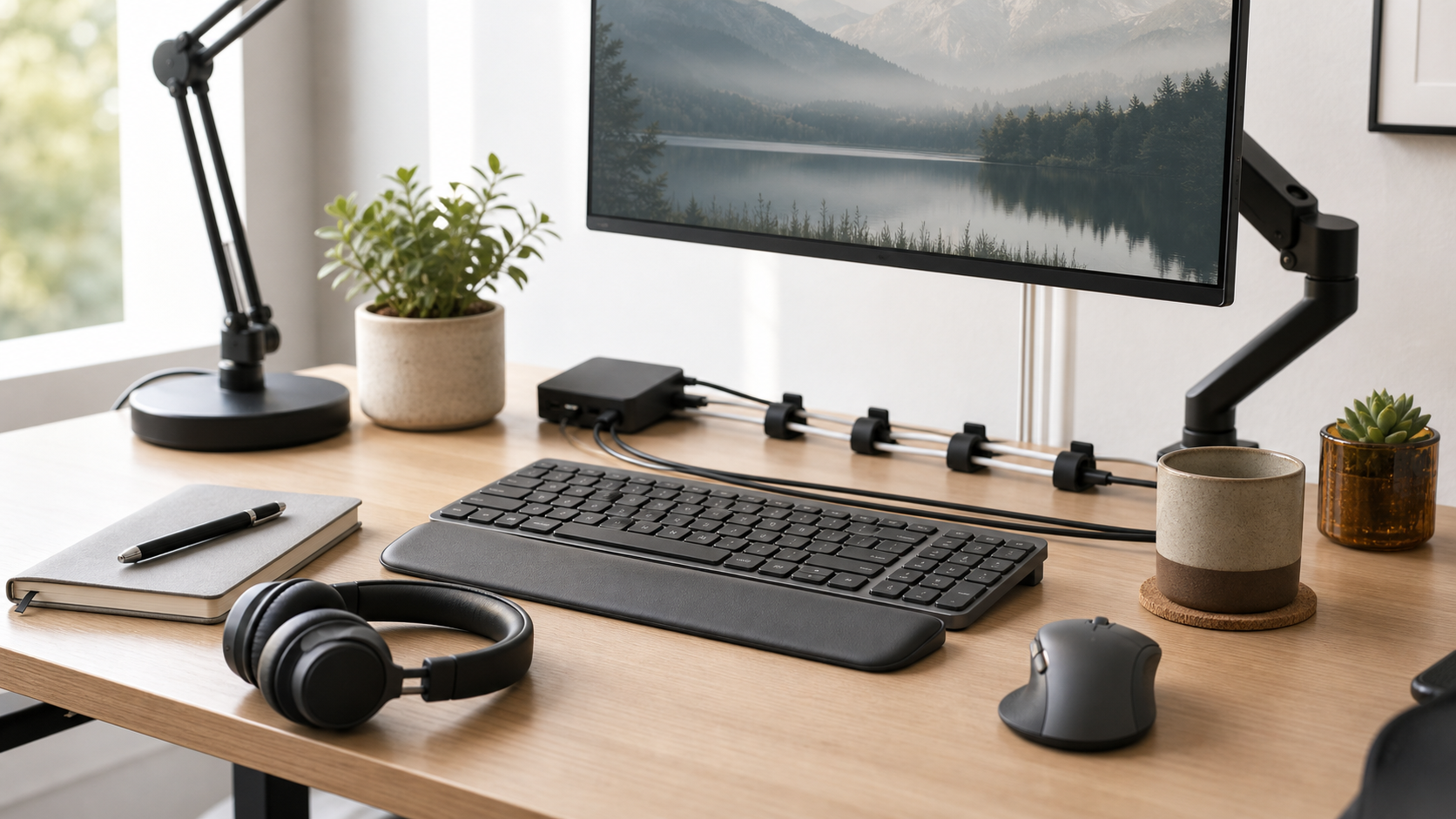
Noise control works best when equipment and habits are combined instead of expecting one product to fix every sound problem.
MediaSoar writes for readers who want useful technology decisions without pressure, exaggerated promises, or confusing jargon. This guide focuses on practical signals you can verify before buying, subscribing, or changing your workflow.
Identify the noise type
Traffic, keyboard clicks, room echo, voices, and fan noise require different solutions. A headset may help voice calls, while soft furnishings may reduce room reflection.
Record a short call sample to hear what others hear. The microphone often reveals problems that are not obvious in the room.
Use layered fixes
A directional microphone, closed-back headphones, rug, curtains, and better desk placement can work together. None of these needs to be extreme.
Acoustic panels can help in some rooms, but placement matters. Random panels used as decoration may not solve the main issue.
Create communication habits
Status indicators, meeting blocks, and quiet hours can reduce interruptions more than another device.
For shared homes or small offices, expectations are part of the setup. Technology should support the routine, not carry the entire burden.
A quick decision checklist
- Record a call sample.
- Match the solution to the noise type.
- Layer simple changes.
- Set quiet-hour expectations with others.
Bottom line: for home office decisions, the strongest choice is usually the one that fits your daily constraints, works with the tools you already use, and remains easy to maintain after the first week.