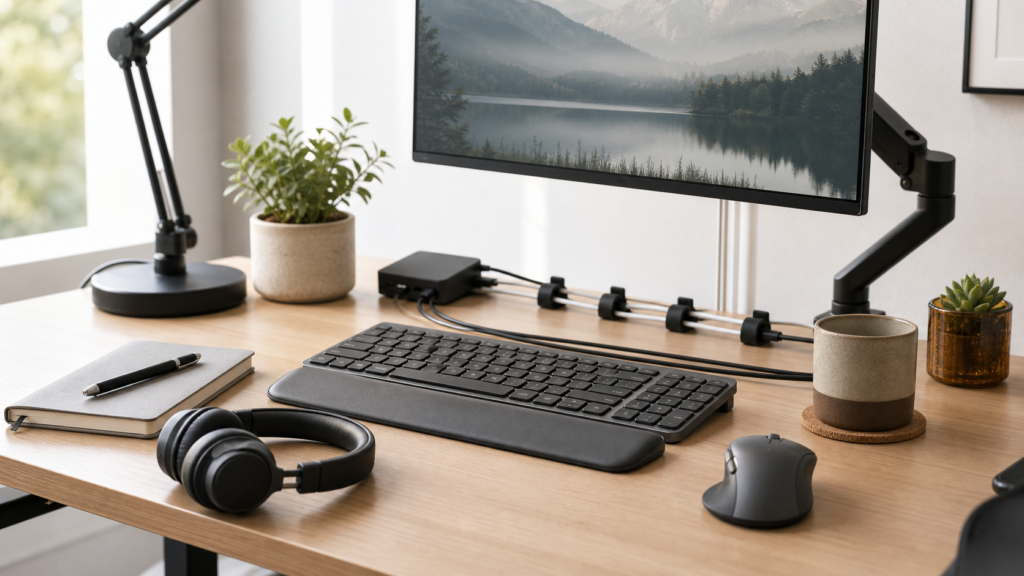
Standing Desk Considerations Before You Upgrade
A standing desk can be useful, but the right decision depends on space, stability, adjustment range, and daily habits.
A standing desk can be useful, but the right decision depends on space, stability, adjustment range, and daily habits.
A consistent review framework makes software decisions clearer and reduces the influence of hype, demos, and temporary promotions.
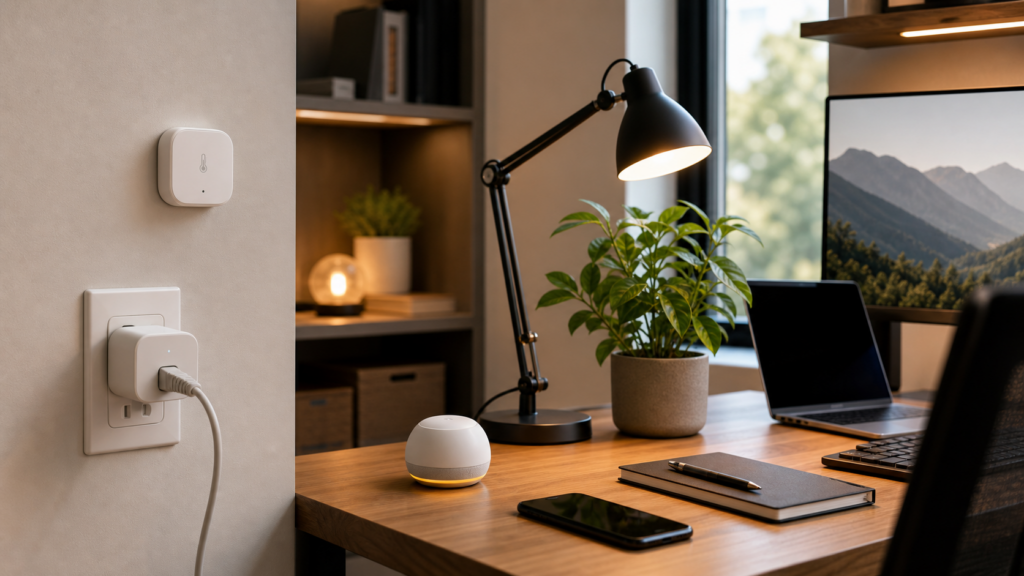
Smart home office devices are most useful when they automate small, repeated tasks without adding complicated maintenance.
Better video calls usually come from balanced lighting, clear audio, and stable placement rather than the most expensive camera.
A low-distraction desk is not empty; it is arranged so the next task is easy to start.
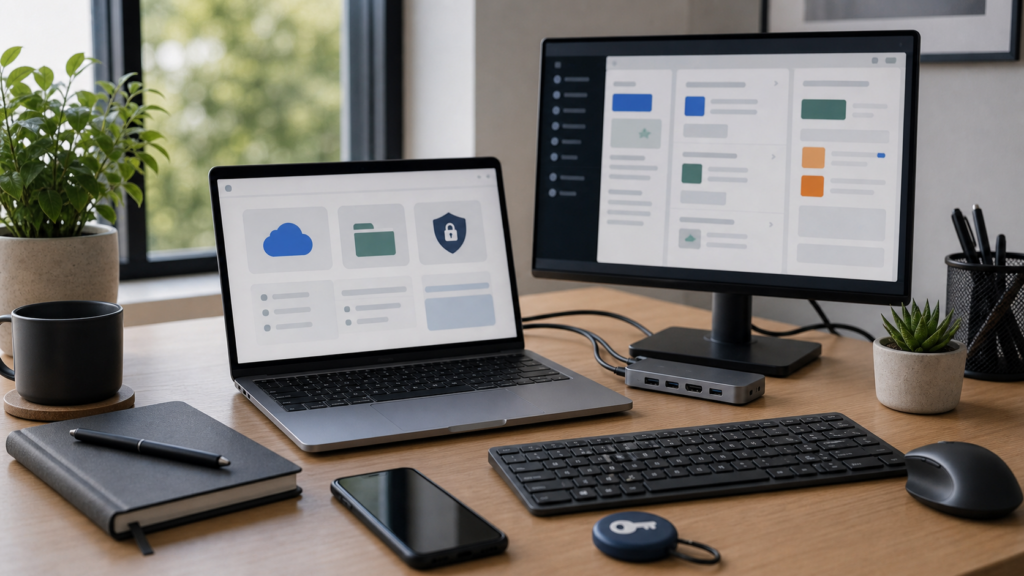
Cloud storage works best when naming, access, backup, and cleanup rules are simple enough for everyone to follow.
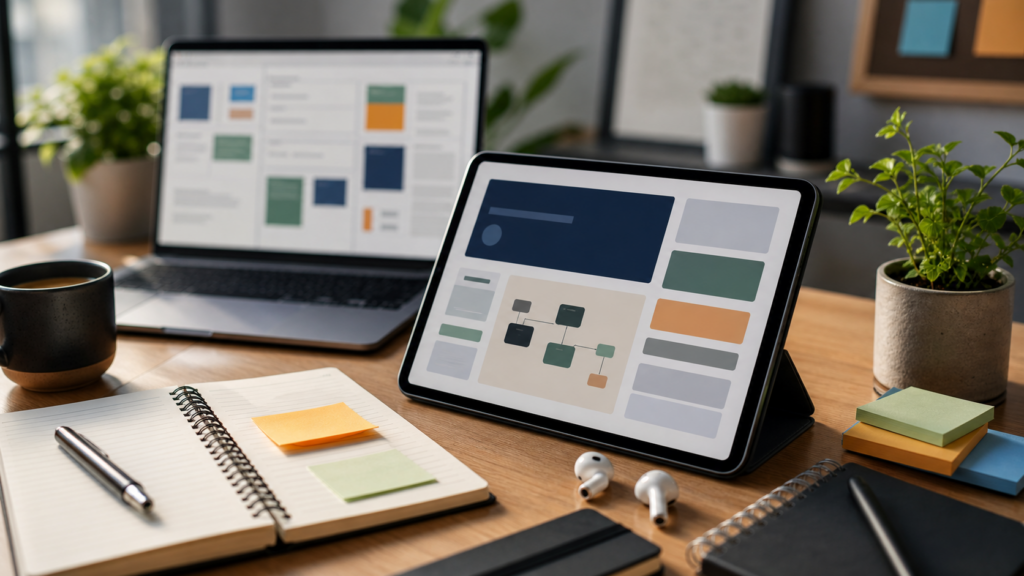
AI meeting tools can save time, but they should be evaluated by accuracy, privacy, workflow fit, and review effort.
Input devices shape every workday, so comfort, reliability, and layout matter more than novelty features.
A good monitor setup should reduce friction for the work you do most often: reading, writing, spreadsheets, design, or calls.
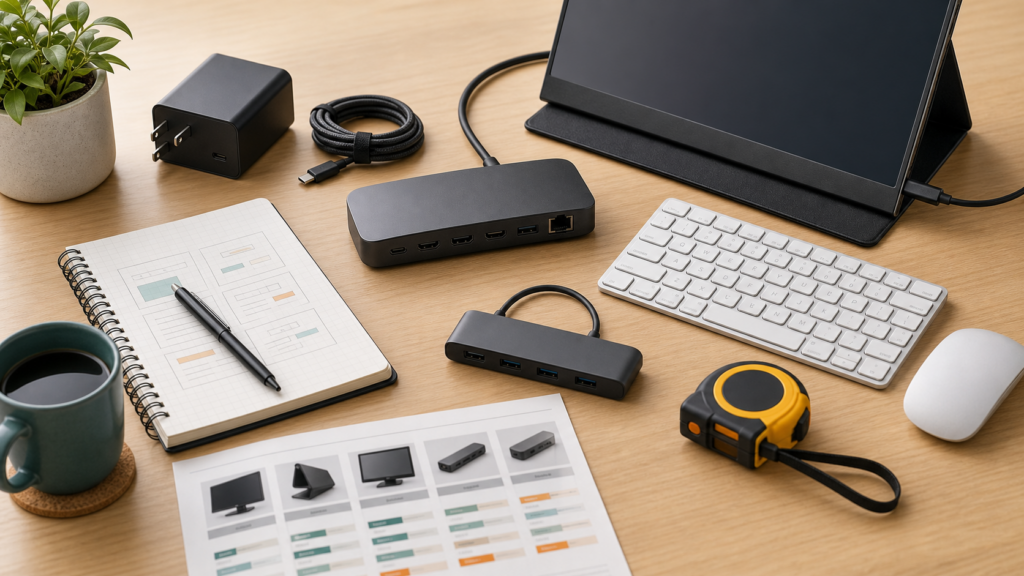
A docking station can simplify a desk, but only when it matches your ports, monitors, power needs, and operating system.
The best productivity app is the one that survives normal work pressure after the initial enthusiasm wears off.
Desk accessories can make work easier, but they should be selected for adjustability, fit, and routine comfort rather than dramatic health claims.